


 Interviews
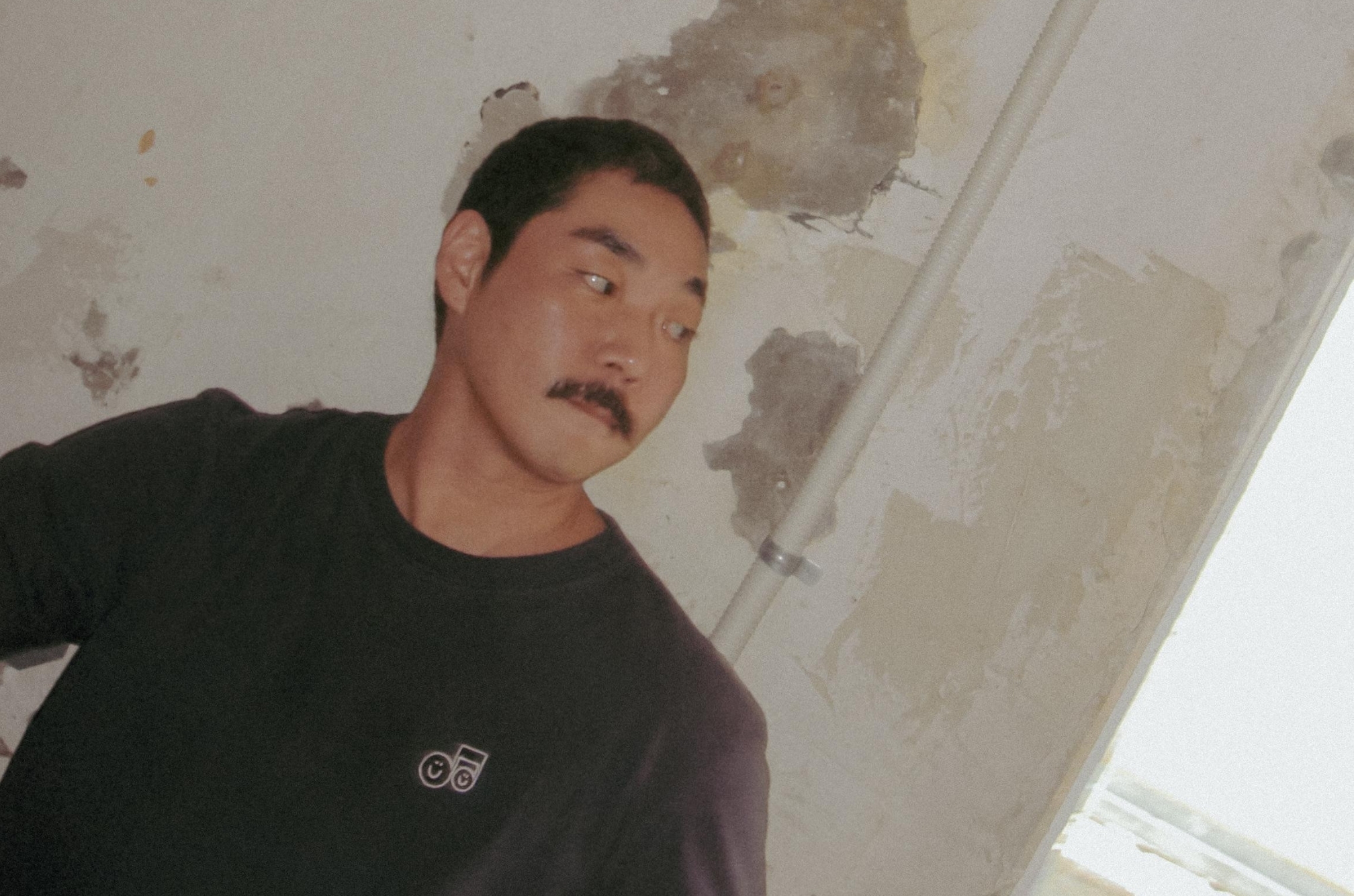
Who is Maktoop? Loud, soft and always underground queer
With humour and depth, the DJ invites us into the messy harmony of Seoul's underground; where no one is alone, and everyone belongs
Imagine growing up as an 80’s kid in Seoul. Traveling abroad? Impossible. Listening to foreign music? Banned by the government. And for the past 30 years, your family and the generations before them have lived under a military, dictatorial, and authoritarian regime. Society is deeply conservative, and understandably so; it hasn’t known any other way of being. But you’re different. You’ve got what they call “art disease.” You challenge status quo and you are queer.
This is Maktoop—a man full of extremes. One day, meditative, quiet and introspective; the next, in a club being loud and chaotic. And yet, in Seoul’s underground, everyone respects him. People know who he is: a true Gemini child of colorful polarities and nostalgic core.
Maktoop’s name even appears as the title of a Peggy Gou’s release, but it's also inseparable from Kockiri; an inclusive gay bar that has earned respect in Korea’s underground community. With elegant interiors, sharp line-ups, and a community-driven spirit, Kockiri is more than just a venue. It has its own unique soul.
A playful fusion of “kock” and “kkiri” (together), Kockiri is a cradle for talent, a platform for rising DJs, and a safe shelter for minorities. Even foreigners find in this venue the best hidden creatures to connect with. In a society that can often feel competitive, individualistic, and heteronormative, Kockiri has become a welcoming home of good feelings.
Now three years old, Kockiri is a baby doing wonders. It’s evolving, experimenting, and creating space for something fresh and creative. And at the center—knowingly or not—is Maktoop, who has birthed a harmonious frequency among visitors, DJs, and staff alike.
How far does Maktoop’s frequency reach? Far and wide. Just ask bartenders around Itaewon.
“Musuri” (a term originally for female servants during the Joseon dynasty and now playfully given to Kockiri’s bartenders) can be found tipping bartenders at other clubs on their night off. Tipping is rare in South Korea, but through these small, effortless gestures, Musuri embody Maktoop’s and Kockiri’s ethos: communal growth, mutual respect and shared empowerment.
In this sense, Kockiri becomes more than a music venue; it becomes a word and a symbol. At Kockiri, no one is alone, everyone shines without overshadowing others. Everyone belongs.
Despite his own inner struggles (which he openly acknowledges here), Maktoop fosters harmony among communities. That’s his spirit: the spirit of a harmonious, broken, yet superb artist.
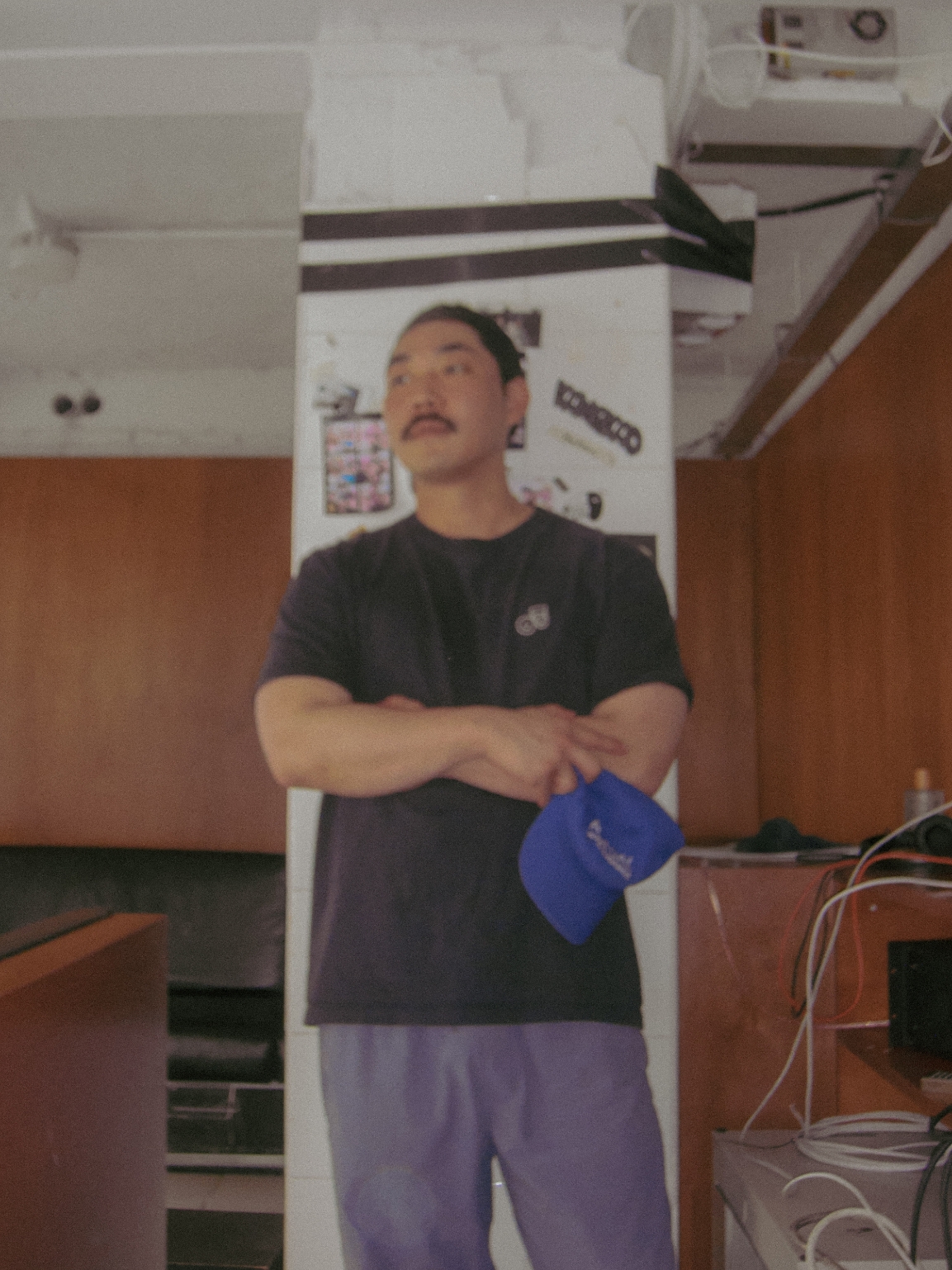
Who is Maktoop, and where does the stage name come from?
When I first encountered the word from Paulo Coelho’s book, it wasn’t the idea of a fixed destiny that drew me in. Rather, I liked the feeling of discovering life step by step, through contexts that were already there, waiting to be read. It reminded me of listening to a great piece of music: that sense of being drawn into something—not by force, but by resonance.
Funnily enough, it started as just my first Instagram ID. I never meant to use it as a DJ name. But when I came back from London, DJ Jinwook booked me for his party and simply printed that name on the flyer. So, I kept it. It’s written. Perfect.
Was your childhood musical in any way?
I remember watching my mom listen to old songs when I was a kid. I asked her why I liked them too, and she just smiled and said, “That’s nostalgia.”
I think that’s when I started to develop a sense of taste—or at least started to understand that what we love often comes from memory. Now, I feel lucky that part of my job is chasing that feeling—following nostalgia not just backwards, but forwards too.
When and why did you first become interested in DJing?
I left home and became independent in my teens, working at a gay bar—and that’s where I really saw how music could shape a space. There was this energetic older guy who started DJing next to me, and within a week, I followed his lead.
The venues we were working at gradually gained attention, and soon, bigger clubs were popping up in Korea. I got scouted, which introduced me to senior DJs who took the craft seriously—many of whom I’m still connected to.
At some point, I stepped away to study art in London. I honestly didn’t see myself as a DJ anymore. But when I came back, DJ Jinwook booked me again—and I remembered how fun it was, and started wanting to do it well.
I returned to it with the mindset of keeping things light and not overthinking. But somehow, good opportunities just kept opening up. And as I moved through both the inspiring and disillusioning sides of the scene, I found my way to where I am now.
What personal experiences influenced your move into Seoul’s nightlife scene?
When I was younger, I was drawn to better music, better parties—but I was also often bored or frustrated with what was out there. That tension made me want to create something myself.
Back then in Itaewon, I was struck by how strangers could suddenly become friends—no matter their background, gender, or age—just through music. It felt like discovering a new kind of community. Something magical…but fleeting.
And even though I loved that world, I also felt restless.
Even the small, random moments outside the club—borrowing a lighter, walking someone home—shaped how I thought about space, music, and connection.
I didn’t just enter nightlife as a DJ or organiser. I entered because I felt something was missing, and I wanted to help create it—even just a little.
Korean society is often seen as pressuring men into traditional careers. How did you navigate that?
I don’t know if it’s lucky or unlucky, but I’ve never really had the ability—or maybe the mindset—to live a “normal” life. Since middle school, I was always clashing with teachers—a bit of a troublemaker, always questioning things.
I came out pretty early, and in a conservative neighbourhood, being a queer kid with an “art disease” just made me feel even more out of place. Luckily, in the gay scene, I guess I was considered kinda cute at the time—maybe that helped me survive (laughs).
When do you feel most like yourself? Is it in the club, at home, while creating—or somewhere unexpected?
This question’s always a hard one for me. Sometimes, I feel most like myself when I’m driven—when I want to do better, be bolder, more ambitious. And when I finally hit that moment of satisfaction, I think, “Yeah. This is me.”
Weirdly enough, I also feel most honest when I’m masturbating. No performance, no audience. Just me.
But I see myself in the burnout too. When I’m exhausted by life and people, lying awake at night, blaming myself. And when I disappear for a while because I’m tired of everything—and end up worrying the people around me—that’s me too.
Read this next: From within and without: the sound of ffan’s quiet revolution
Do you consider DJing your main form of self-expression? If not, what is?
I still struggle with what it really means to be a “professional” DJ. It’s not just about technique or status—it’s about presence, responsibility, and attitude. I’ve learned a lot from DJs who carry themselves with a strong, respectful mindset toward the craft.
One thing that really stuck with me was: “If you ever feel bored, it’s your fault.” That line reminds me to stay curious, take risks, and keep finding meaning in what I do.
What’s one of your most memorable moments from when you first started DJing?
In the beginning, I used to take turns DJing and bartending with my friend who started the place with me. DJing was definitely more fun, so I started digging harder than anyone else.
But whenever a handsome guest walked in, I’d hand the decks over and jump behind the bar to serve them drinks.
Less than a year in, I got scouted as a resident by some big venues. Honestly, I didn’t even realise how big of a deal it was—part of why I started DJing in the first place was because it paid more than bartending.
Just to give you an idea: I was a 20-year-old who barely knew how to mix and somehow ended up on stage with someone like Louie Vega. That’s when DJ Suna (now the owner of Vurt) told me, “If you’re gonna do it, do it right,” and lent me a mixer and CDJs to practice.
So I just left them sitting at home…and felt very pleased with myself.
Read this next: "Moved by networks": how Hahoe Festival is reflourishing Korean culture
Who are your biggest musical influences?
Right now, the first person that comes to mind is DJ Carter—a close friend who, sadly, passed away. He was deeply active in the Itaewon gay scene, and someone I was personally close to. But it wasn’t until after he was gone that I fully realised how talented he was—and how much he meant to our community.
I carry a lot of guilt for not recognising or honouring him more while he was still here. He had big dreams for the gay scene—maybe even bigger than mine—and he gained so much experience so quickly. He inspired me, even if I didn’t always tell him that.
Among those still with us, I’d name DJ Jinwook (Discosurf), Radio Revolution, Dguru, DSKE (Kockiri), Bell Towers (Kockiri, Sway), July (Kockiri’s resident), ffan (Nyapi), and Oviduct, just to name a few.
Of course, I’m inspired by the greats—the legendary artists who shaped the sounds we love. Through them, we learn not just about music, but about community and humanity.
But what really matters to me now are the people I share this scene with. They’re not just peers—they’re collaborators, co-creators, and friends helping shape what we’re building together in real time.
What are some achievements in your DJ career that make you smile?
One moment that still makes me smile is playing a back-to-back set with Kenji Takimi at Rainbow Disco in Yangyang, Korea.
He’s a legend—not just to me, but to so many DJs I know—so yeah, the pressure was real.
I was proud that I could hold my own, bringing presence and energy to the moment. It felt like a personal milestone. (Big thanks to the Rainbow Disco team!)
Of course, the boyfriend I went with at the time was very annoyed that I was clearly starstruck…but honestly, who can blame me?
Read this next: Excursions: IYAAKI is a judgment-free space in Seoul to celebrate culture, identity & queerness
I’ve heard you spin at Nyapi and Kockiri—you’re one of the most exciting DJs in the scene. But there’s almost no info about you online. Why?
Isn’t it cooler to be doing this Mixmag Asia interview without all that?
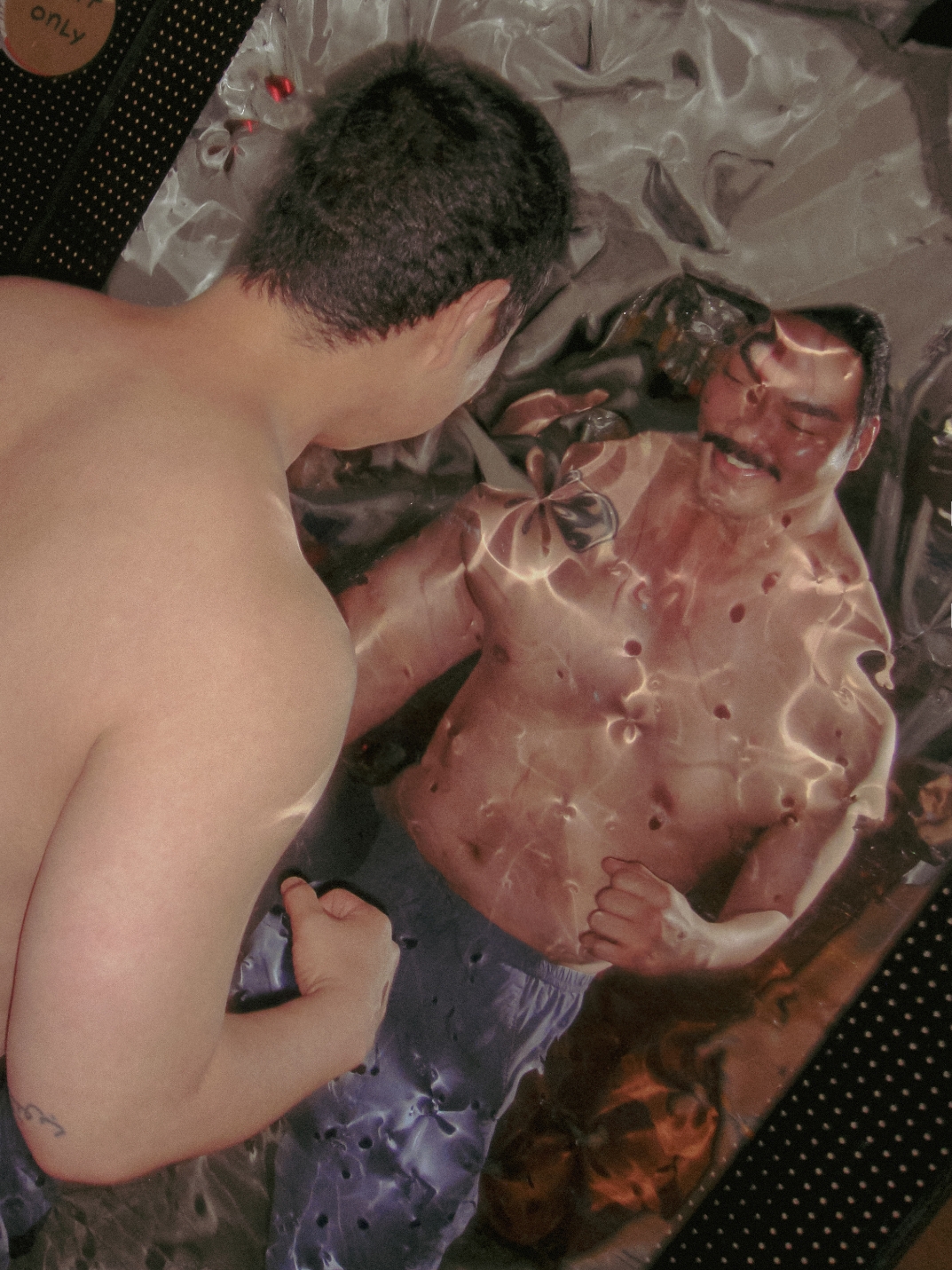
When was Kockiri created, and what inspired its concept?
The name “Kockiri” came from a playful mix—“Kock” (yes, that one) and “kkiri”, which means “together” in Korean. I still remember coming up with it with a friend. We laughed and said, “So gay, so genius.”
Like many good queer things, it stuck.
Back then—and even now—it’s the people who reached out, the unexpected encounters and shared moments, that gave me the courage to start.
At its core, Kockiri was born from a desire to have fun and read the world together—to respond to it collectively. Not alone, but still with respect for being myself.
And I’ve always known this isn’t something I could ever do alone.
What is Kockiri’s ethos, and how do you keep that spirit alive?
We focus less on fast, disposable trends and more on creating lasting memories and emotional experiences.
The ethos of Kockiri is rooted in slowness, care, and community. Even through challenges, we’ve chosen rest over giving up—always returning with resilience and curiosity. It’s that spirit of quiet endurance and playful experimentation that keeps Kockiri alive.
Read this next: On queer futurity through rave collectives in Southeast Asia
What are some of the biggest challenges Kockiri has faced in fostering harmony and inclusivity?
One of the biggest challenges in creating a truly inclusive space was navigating tensions between different groups in our community.
Kockiri began primarily as a space for gay men, and some of our early regulars felt uneasy when people with different identities started coming in—especially as the crowd grew larger and more diverse.
At times, the space felt overwhelmed—not just physically, but emotionally. We were growing fast, but not always growing together. That taught us an important lesson: inclusion isn’t just about opening the doors to everyone. It means actively creating a space where everyone feels seen and respected.
We had to rethink our boundaries, communicate more intentionally, and refocus on the kind of energy we wanted to protect. Through that process, we’re still learning how to hold space for difference—while staying grounded in shared values.
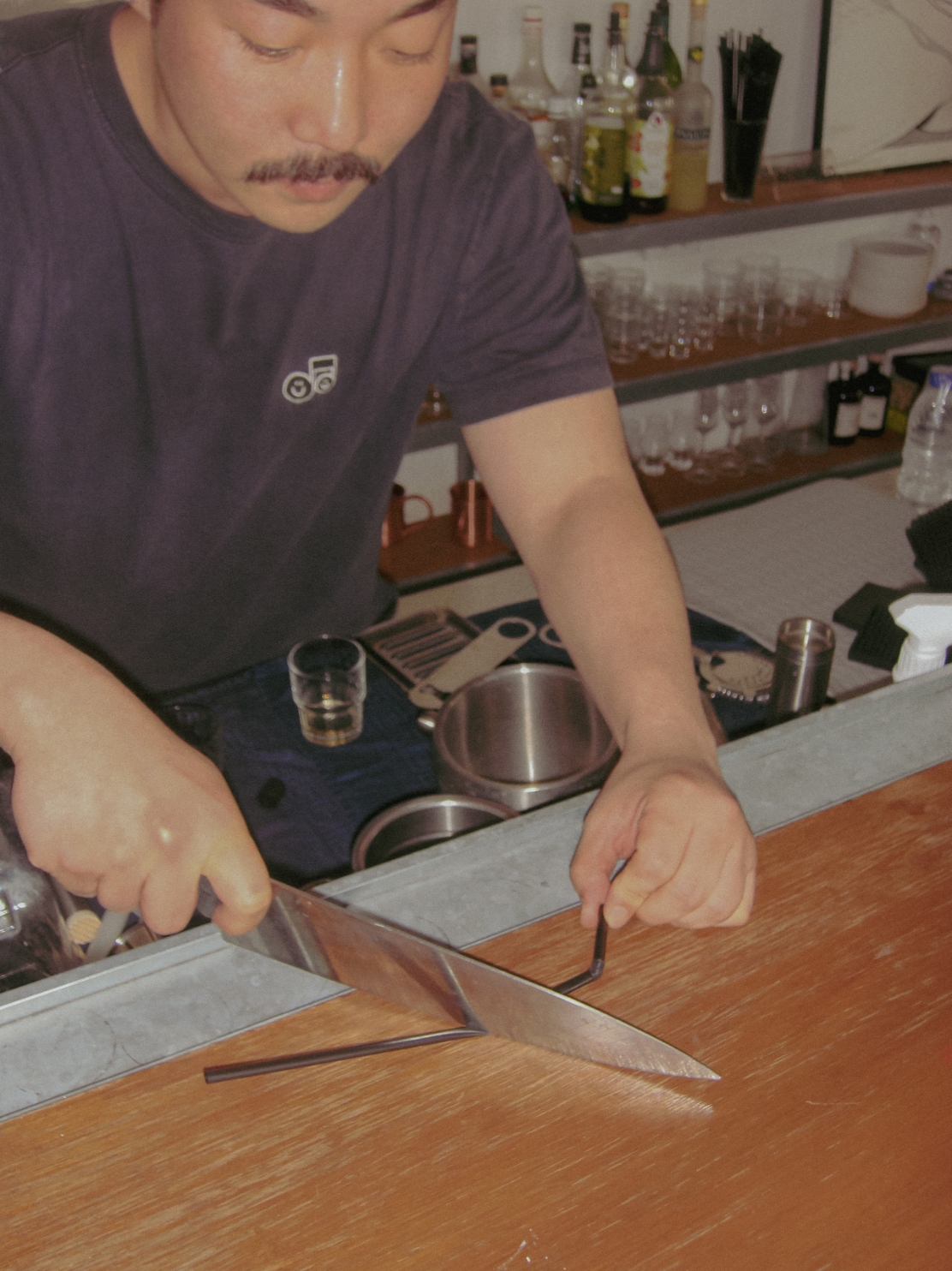
Who is/are "Musuri", and what ideology drives the project?
“Musuri” originally referred to female servants in the Korean royal court during the Joseon Dynasty, and these days it can carry a slightly derogatory tone. But we decided to reclaim the term—playfully—by calling our bar staff and team members “Musuri” as a form of solidarity and humour.
We even include their names alongside DJs on our line-ups. DJs Bolm and Uni created a unit called “Musuri” to perform under that name.
Sometimes, if a guest treats our staff with disrespect—like they’re actual servants—we don’t hesitate to kick them out. We refuse to stay in the role of the subordinate. We flip it.
For us, Musuri isn’t a joke—they are the heart of Kockiri’s ethos. They’re the ones shaping the space every night, and we want everyone on the team to grow, be respected, and feel empowered.
Read this next: "Genuinely needed": How WAIFU is revolutionising Tokyo's queer nightlife
What makes Kockiri stand apart from other gay clubs in Seoul?
I get it—the Cirquit community and K-pop gay clubs are the mainstream. It’s cute. Annoying. And big, like gay people, LOL.
But what sets us apart is that we’re not chasing trends or surface-level aesthetics. We focus on creating a space where people—queer or not—can truly feel, listen, connect, and remember. It’s about slower curation, not fast consumption.
At Kockiri, music isn’t just a soundtrack to nightlife. It’s a medium of expression, care, and experimentation. We pair that with intentional hosting, a strong sense of collective memory, and sometimes even uncomfortable honesty.
It’s also a space that chooses “rest” over “disappearance” when needed—something rare in this city. That endurance, through vulnerability and failure too, is what makes Kockiri meaningful. We’re not just building parties—we’re building emotional ecosystems.
I’ve seen so many couples—straight, gay, lesbian—start marriages that began at Kockiri. There are all kinds of queers here, following what they love.
And I’m meeting so many talented musicians and artists who connect with Kockiri’s spirit. It makes me happy that the space has become something like that.
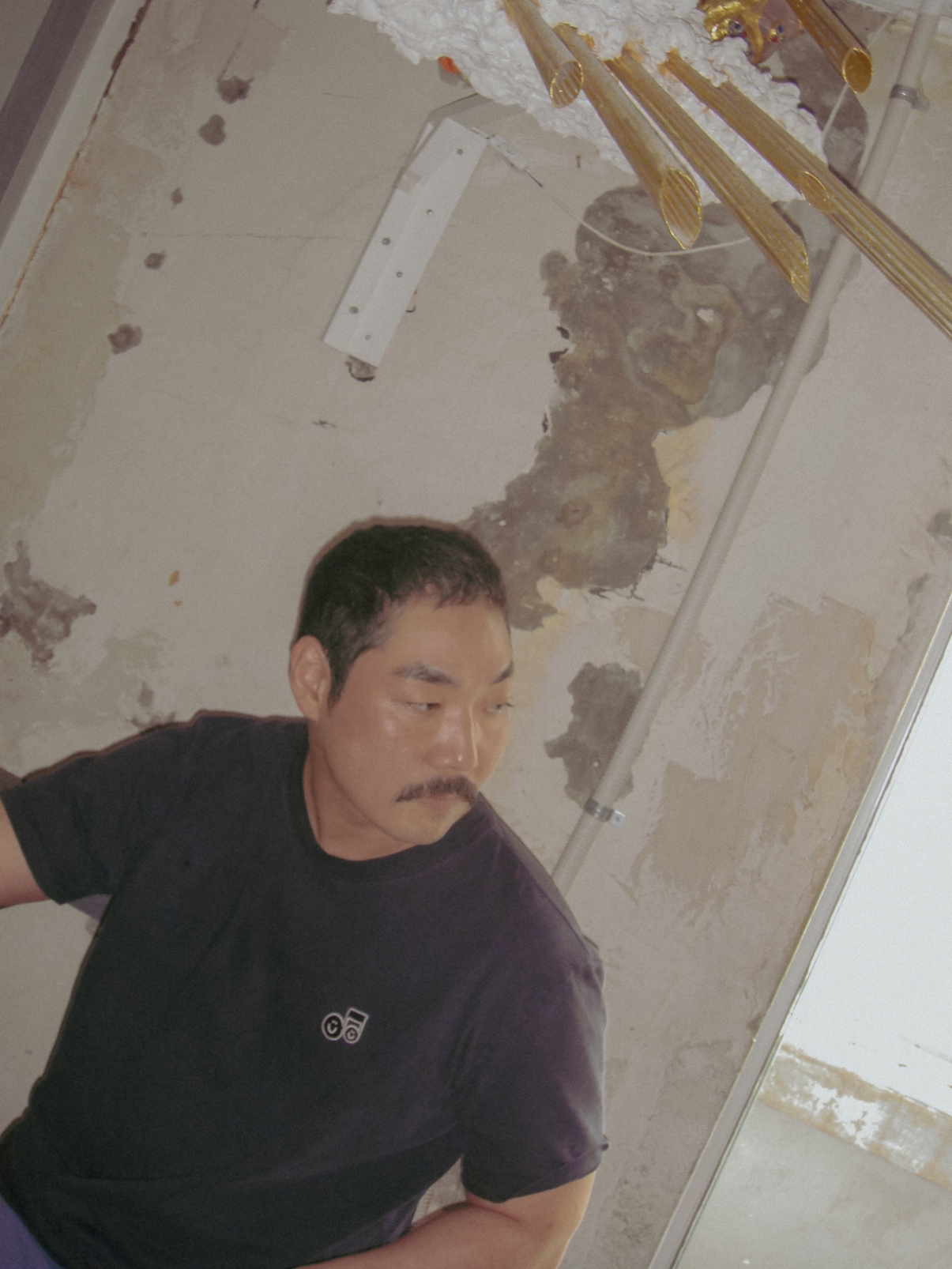
Kockiri recently closed and then made a comeback. What happened, and what are your future plans for the space?
The reason Kockiri paused was pretty complex. There were issues of broken trust with a partner. At the same time, the district office pressured us with a business suspension—even a closure order—saying we weren’t a legally “dance-permitted venue.”
Then the terrace trees—a symbol of our space—were cut down. Honestly? It felt like my dick had been chopped off.
We’ve always operated with integrity and a strong sense of responsibility to the scene. We didn’t want to run things illegally. Thankfully, with the help of allies and legal advice, we decided to turn that crisis into an opportunity. We chose to pause, reflect, and prepare for our next leap forward.
We’d been running non-stop for three years. And honestly, we didn’t expect a two-month break to feel like such a big deal—but maybe we really needed that rest. A lot had happened.
Read this next: “Moving for themselves and the community”: a look into queer Vietnamese revival in Asia & beyond
Have there been nights at Kockiri that made you think: “This is why we built this place”?
Absolutely. There have been many nights like that—but one that really sticks with me is when a wheelchair user came to Kockiri.
We’re on the fourth floor of a building with no elevator, and honestly, we weren’t prepared. But their friends carried them up the stairs, laughing and determined. When they finally made it in, the whole room felt different—softer, fuller, more alive.
Watching them dance and enjoy the space reminded me what this is really about: people helping each other access joy, no matter what (I don’t even remember which DJ was playing that night!).
There were also nights when a track dropped and the whole room moved as one—strangers hugging, crying, kissing, laughing. Those moments where everything aligns—the sound, the people, the emotion—they’re rare. But when they happen…this is why we built this place. We’ve had so many of those moments.
Nostalgia isn’t about wanting to go back—it’s about appreciating what once was.
What’s the reality of being LGBTQI in Seoul today? Is the community met with openness, resistance or both?
The reality is, South Korea still has one of the highest suicide rates in the world. Some people have hope with the newly elected president, but we’re still far from basic legal equality—anti-discrimination laws, same-sex marriage, things like that.
So yeah, it’s fucked.
But maybe what makes it bearable is being able to say “it’s fucked” out loud. That’s funny. And sad. We hold onto the idea that Seoul isn’t the whole world—and somewhere between that tension and hope, we keep moving.
And yet, despite everything, there are moments that make it worth it. Like holding hands with my boyfriend (well, ex) while shopping, or going out to eat with older trans women and being loud—and people are kind.
Those small, unexpected moments of warmth remind me that things are shifting, even if slowly. And in underground clubs…I sometimes feel like I get better bookings because I’m gay (laughs).
Looking back, what advice would you give to your younger self about being gay in Seoul and choosing a life in music?
Go to the gym. Listen to Pet Shop Boys.
[Images via Yabakinoko]
Daniela Solano is a freelance writer for Mixmag Asia, follow her on Instagram here.
Cut through the noise—sign up for our weekly Scene Report or follow us on Instagram to get the latest from Asia and the Asian diaspora!
