


 Features
The often unsung scene of Cambodia
Insight & stories from artists, promoters & nightlife pioneers carefully rebuilding a community from fragments of a very different-sounding past
When people think of electronic music in Asia, Cambodia rarely comes to mind—for a number of reasons. Yet behind the tourist trails and temple silhouettes, a small but fiercely passionate community is rebuilding something that was once completely erased, and beginning to gain the recognition it deserves.
Decades ago, during the Khmer Rouge era of Cambodia, Pol Pot declared “Year Zero”; an attempt to wipe out Cambodia’s cultural and intellectual identity. Artists, musicians, and teachers were persecuted; instruments and records were destroyed, and with them, an entire lineage of culture was severed, leaving little to pass on to future generations.
The country’s vibrant 1960s and ‘70s psychedelic rock scene—once earning Cambodia the title “Pearl of Asia”—was silenced overnight.
What followed was a long and painful cultural void. Through the ‘80s and ‘90s, survivors struggled to restore fragments of tradition and art, but rebuilding a creative ecosystem proved nearly impossible amid political instability and economic hardship. While neighbouring countries developed thriving contemporary music scenes, Cambodia—once arguably ahead in musical innovation—was forced to start anew.
This erasure of an entire generation of artists and thinkers remains one of the main reasons Cambodia lags behind its neighbours today, having had to rebuild its cultural foundation from the ground up by the 1990s.

Despite these challenges, there remain individuals in the country who continue to push things forward, especially in electronic music.
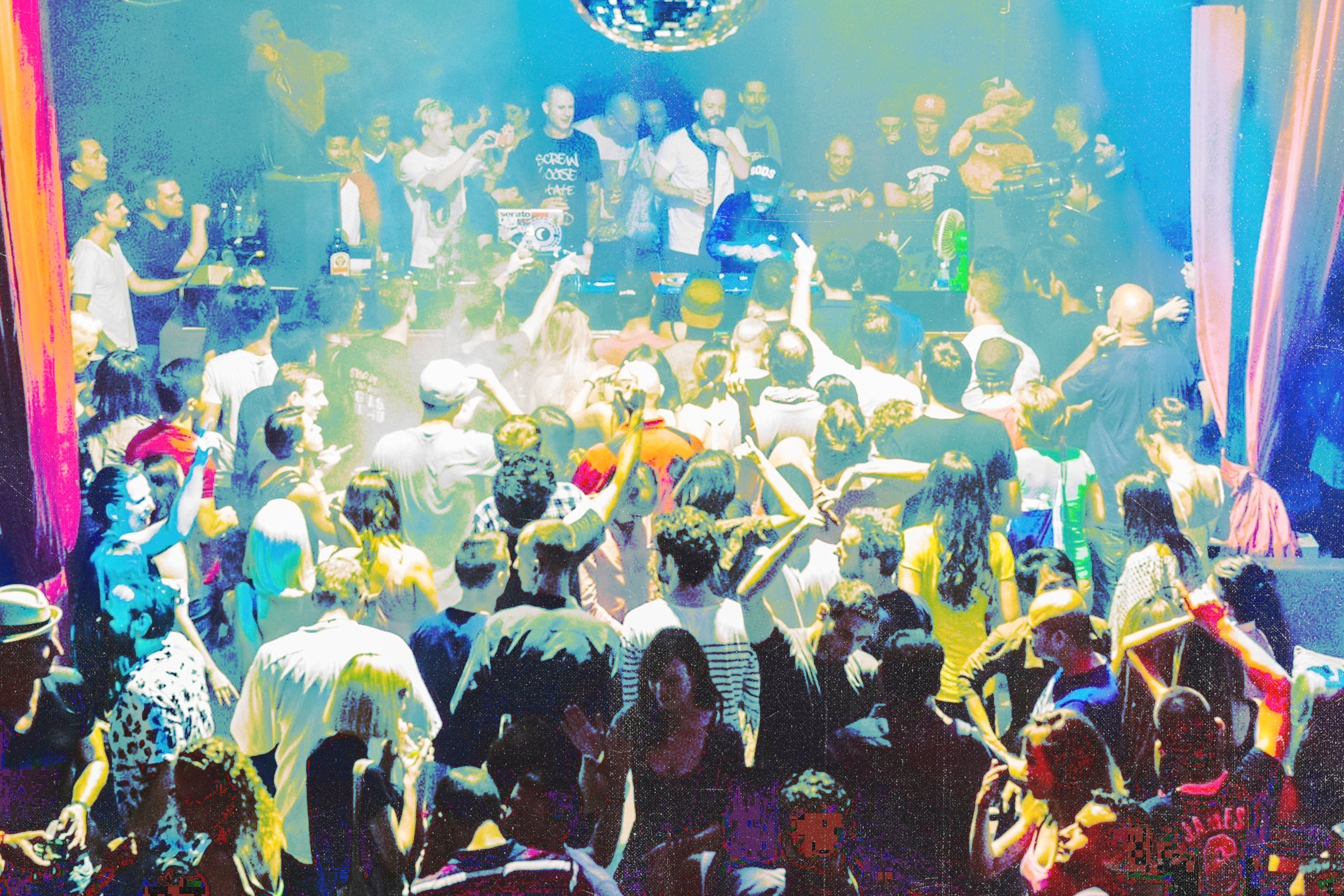
One of the first pioneers of the scene is Eddie Newman and Code Red Agency. Established two decades ago, Eddie and his team were among the first to introduce electronic music to the region, bringing in artists such as Diplo, Grandmaster Flash, Goldie, and, more recently, General Levy.
What started with him bringing acts led to him managing Pontoon, a floating nightclub in Phnom Penh, which on their opening night booked an original Studio 54 artist called Bert Bevans. This legendary night ended abruptly, and by 11:30pm, the venue became so overcrowded that it began to take on water and eventually sank.
After being lifted from the river, Pontoon continued to host regional and international acts, including Eddy Frampton, Darren Mac, Tim Coates, Fred Jungo, and even Major Lazer.
Read this next: How Earthfest Revolutions came to be a manifestation of the “here and now”
Speaking on days gone, Eddie told Mixmag Asia: “For me personally, the golden era of Phnom Penh’s nightclub scene was between 2008 and 2013. We had venues truly dedicated to quality music, with incredible DJs flying in nearly every weekend—from Layo & Bushwacka! to DJ Zinc. It was a special time. Maybe it’s time to open a new venue and bring that energy back?”
Although Eddie helped lay the groundwork for the scene as we know it today, countless people played, and continue to play a part.
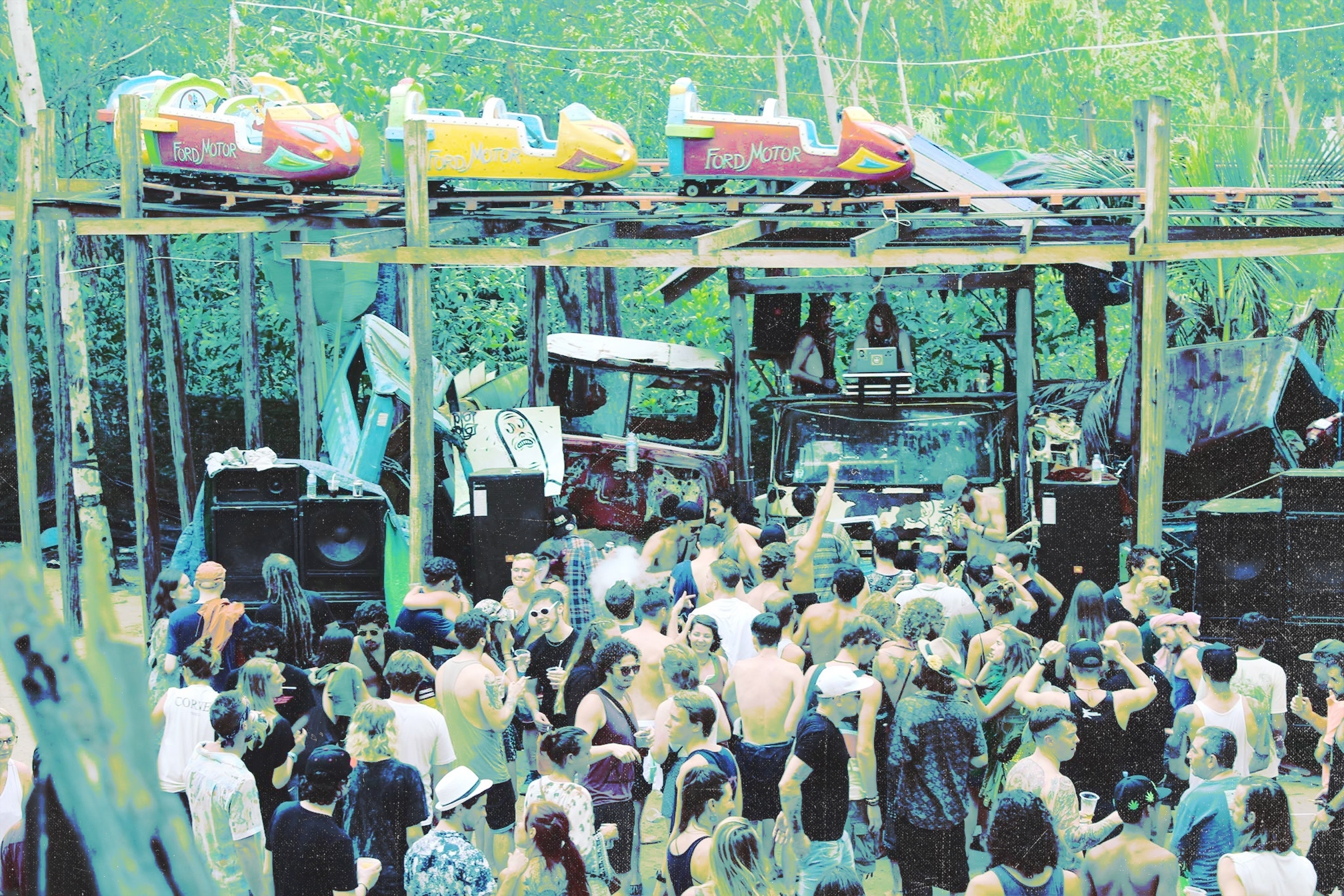
Dave Breeze and Kerfuffle are key names in the coastal underground roots scene. Their DIY pop-up events gained notoriety in the 2010s for their psy, techno, and jungle-inspired sounds, all taking place along Cambodia’s coast on Otres Beach.
Dave got his start at bush-doofs down under before travelling through Cambodia, finding a spot on Otres beach, buying the land and setting up the infamous Kerfuffle, as well as touring the world as a DJ simultaneously. These parties were equal parts bush doof and part fever dream.
As Dave puts it, “There were loads of parties playing cheesy music and pop throughout Southeast Asia, but there was nothing for the people who wanted ‘real’ music. Kerfuffle was born through a gap in the market and a realisation that people needed a place to come together that was unique and underground, off the beaten track.”

Read this next: Beyond the dancefloor: how & why Feed the Dragon is cultivating their community
Just a glimpse into the madness of Kerfuffle is captured perfectly in Dave’s recollection: “From here we did renegade parties all over, from a very messy and slightly dangerous ‘Aqua-fuffle’ on a boat, to a party on a farm where at midnight we released the pigs onto the dance floor to absolute chaos after playing the sample from the film Snatch.”
“The Cambodian people have always struck me as incredibly open to new musical influences, and they embraced Kerfuffle and our small town on the Gulf of Thailand. As a Westerner, it’s a rare privilege to be welcomed into a country with such a painful history and be part of building a new music scene. The hospitality and resilience of the Khmer people never cease to amaze me,” he continued.
Six years of pop-up events, doofs, boat parties, jungle raves, and everything in between — bringing thousands of people week after week — were sadly brought to a close when investment in Sihanoukville prompted most business owners to pack their bags and move on.
On a slightly brighter note, Kerfuffle 2.0 is set to open doors later this year, and Mixmag Asia’s had an exclusive look into the space, and it’s something to behold. With a strong emphasis on spotlighting regional talent and uniting Cambodia with its neighbours, the venue is poised for a promising future.
Read this next: Watch: ‘Enter the K-Bass’ panel puts Seoul’s scene in focus at SXSW London
Though the original scene ended, Kerfuffle isn’t the only one staging a comeback.
It seems that while the island scene took a hit in the 2010s — and its once-thriving DIY culture faded — it’s now gaining traction once again. Those running the infamous Police Beach raves back in the day are rumoured to be making a return after years of inactivity, setting up in a new location.
Soundgarden, who took over the original Police Beach site, have been cultivating their own underground sound, with techno and psychedelic sounds taking centre stage.
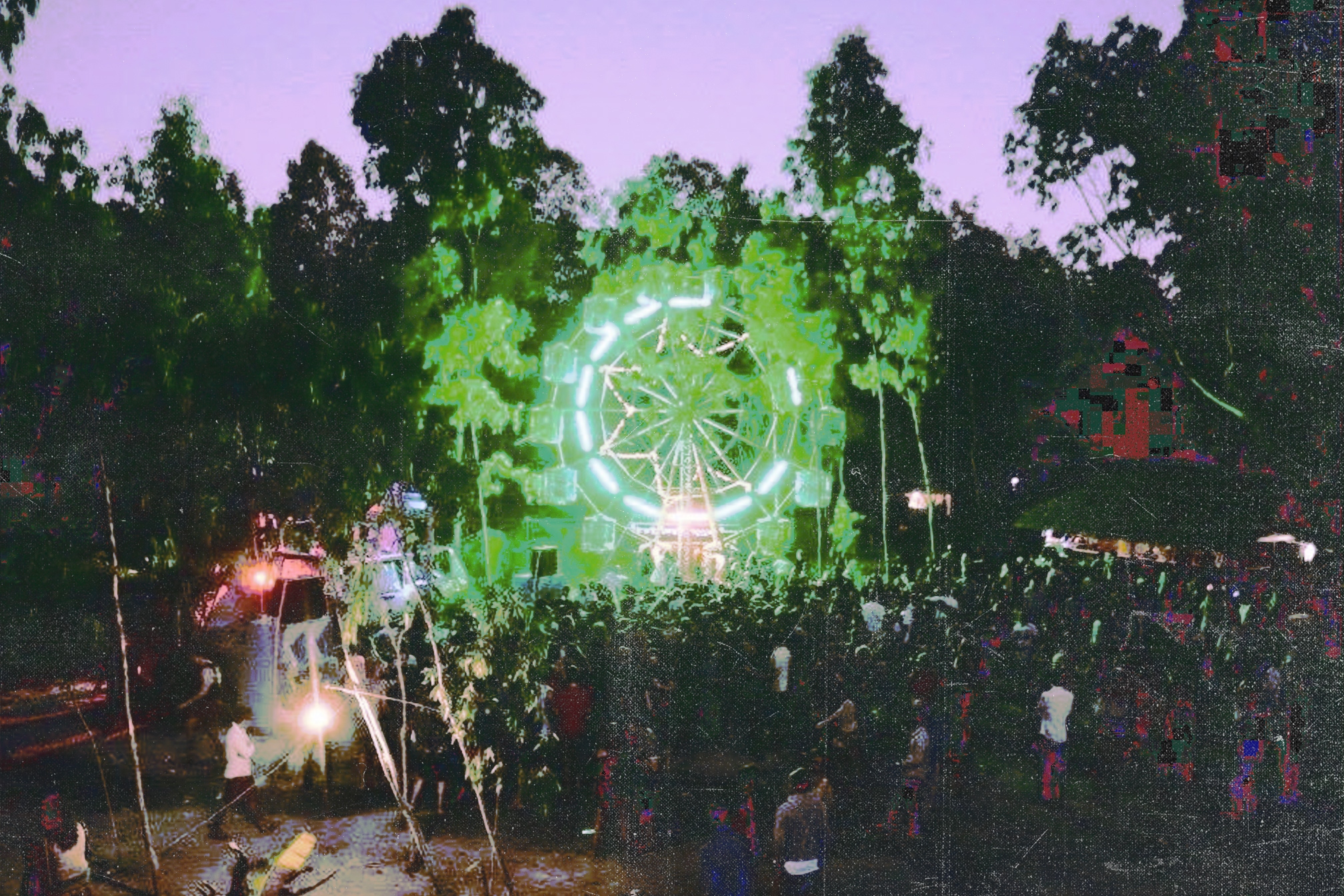
One current standout gem is Nest, and their event Nestival. It’s become a bit of a rite of passage for backpackers and locals alike, with thousands heading to Koh Rong for their monthly Nestival. Sonically, it’s still finding its footing, but with house, techno, breaks, and more on the rise — along with increasingly ambitious bookings — forward-thinking artists from across the region are flocking there in growing numbers.
Another driving force is the Dessert Discs crew, who have set their sights on showcasing regional talent across the country. They’ve also collaborated with brands like themuddshow for sets from founders Rowan Steele, S.J.M, and Keimo.
Read this next: The Asia Diaries: the Philippines tour that took Just Bee beyond the dancefloor
As one of the few collectives actively touring throughout Asia—particularly in Bangkok and the United Kingdom, and events at Wonderfruit, France and all over the region—they’re helping to shine a brighter light on the local scene. Their deep background in hi-fi systems also plays a key role: many of the country’s standout sound systems are thanks to Rowan’s expertise.
With these strong technical roots and international connections, Dessert Discs is not only touring with their brand but also helping to strengthen and unify the community in a meaningful way.
While much of the electronic music activity in Cambodia is still driven by Westerners who relocated there years ago, a growing number of local collectives and artists are making their presence felt.
Ariya, spearheaded by Ange, is one of them. Unlike many events that cater to the expat crowd, Ange’s vision is rooted in nurturing a truly local scene. Ariya focuses on Cambodian audiences first—building community and curiosity from within rather than following the expat mindset.
Despite the challenge of limited local interest, Ange remains steadfast in shaping a homegrown electronic movement that speaks in its own language, not borrowed from abroad.
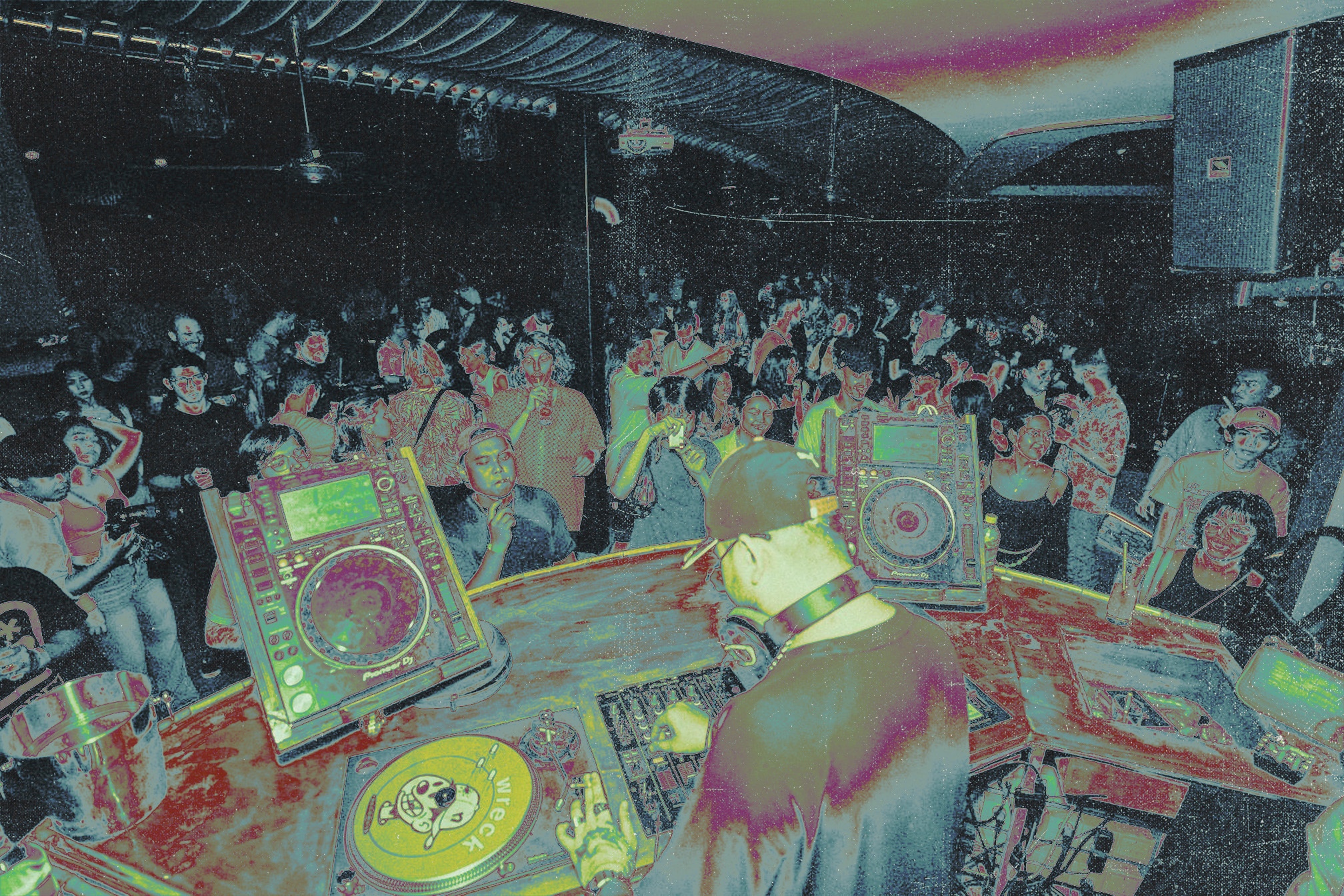
Another key figure would be Justfin, one of the local scene makers driving his sound in Cambodia and beyond. As the manager of Phnom Penh venue The Cage, he’s at the centre of a small but passionate movement.
Read this next: The Bandung Odyssey: unveiling the city's underground scene & creative vanguard
Speaking on the realities of the scene, he notes, “There are not many spaces that consistently program 'underground' electronic music, but what we do have is raw and true. The collectives have a clear musical motive.
“He continues, “despite a handful of pickings, there is certainly an increase in quality bookings rolling through, venues opening, new collectives forming...from the edgy techno soundscapes of Femme Pulse to the unmistakable rumble of the Substantial drum and bass crew…it’s great to work with such diverse sounds. I think it’s becoming a very exciting place to be.”
The current realities, though steadily improving, is not without its challenges.
Eddie explains: “The main struggle about putting on events in Cambodia is to find a suitable venue, with good sound and lights and of course in a good location. Another big issue is trying to fund the events. It’s really hard to get cash sponsors for the type of DJs that we want to bring. Also, the weather seasons are a factor. It’s a big gamble to put on any events during the rainy season.”
These issues are a factor in many major places, but even more apparent and red-taped in Cambodia. So, despite it being a seemingly uphill battle, how do those within the scene believe it can be improved?
After speaking to promoters, artists and influential figures in the scene, the number one thing that people feel is missing is venues. The leading sound in the country is hip hop, R&B and all things commercial, and these spaces aren’t inclined to take a risk on the underground.
Speaking on the matter, Rowan Steele states his concern: “It’s hard for a scene to grow when there just aren’t enough spaces to host events. A lot of the clubs that used to put on the occasional underground night have shifted toward hip hop, R&B, and more commercial music, simply because it brings in more income.”
Ariya’s Ange also shares: “As a promoter and artist, the biggest challenge is being well paid to play good music and the crowd. Not many people will enjoy or understand electronic music at first, but eventually, by educating people, they will start to look for this type of event.”
Read this next: Bali beyond the usual: insider picks for your island getaway
While there are some pivotal figures in the underground scene, hip hop and commercial music remain such dominant forces in nightlife that it’s easy to see why the local scene is underrepresented—even as its popularity grows. As Ange puts it, “the big companies are investing more into rap and commercial/mainstream music rather than electronic music.”
There is a rising demand for electronic music, but with venues reluctant to lose big spenders who prefer the more commercial side, it continues to be an uphill battle for the underground. From an artist’s perspective, the lack of proper fees for underground performers pushes many toward big room or hip hop sounds that generate more revenue for venues.
On top of this, suitable spaces that champion the electronic side of music are few and far between.
To step forward, those in the scene are calling for more venues equipped for large bookings and events, more collaborations between venues and government support for the culture, and more of a drive to build on the already forward momentum.
This, and, as we’ve been told by people in the scene, the somewhat limited local interest in electronic music also plays a significant role.
Hopefully, with the rise of local figures and Cambodian artists, people will have role models—individuals to look up to—ultimately helping to expand the scene and carry it forward to future generations. This shift could make the community less reliant on expatriates and the select few currently driving it.
Among those helping to shape this transformation is Ange, whom we spoke with earlier. Her continued growth and commitment to her craft embody the spirit of a new generation of Cambodian artists finding their voice.
Another notable name is DJ Houseplants, who, although now based in New York, has become a key figure in the underground scene.
Read this next: Eight years of Savage; a beacon of the Asian underground
While leaning more toward the commercial side, Maily has become one of the country’s most recognised artists and promotes the Khmer sound more than most.
Cyril Grouvel, though French, has called Cambodia home for years and continues to play an influential role in shaping the scene through his sound and events.
Marie Thach is another strong local artist focused on electronic music. With her background as an influencer, she’s opening the door for more young locals to see a homegrown figure succeeding in the scene.
Cambodia’s scene may be smaller than others, but its uniqueness, intimacy, and drive against all odds are fuelling a remarkable resurgence. The dedicated individuals pushing it forward are bringing it ever closer to a second wave of cultural and electronic music strength, and it seems the future looks bright for this often misunderstood yet truly one-of-a-kind scene.
Henry Cooper is a Writer at Mixmag Asia. Follow him on Instagram.
Cut through the noise—sign up for our weekly Scene Report or follow us on Instagram to get the latest from Asia and the Asian diaspora!
