


 Features
From the archives: When the Fugees conquered hip hop with a spliff and a smile
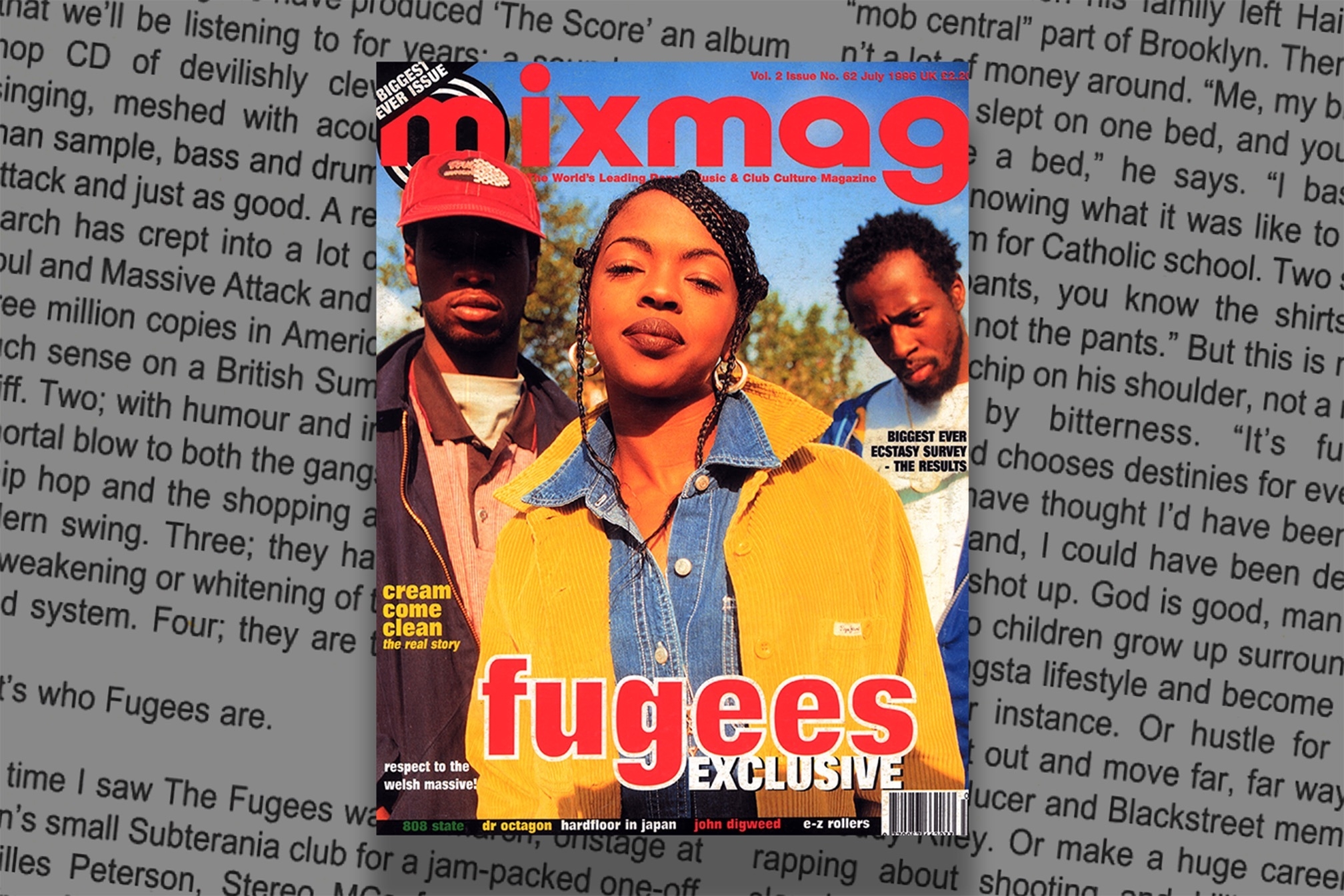
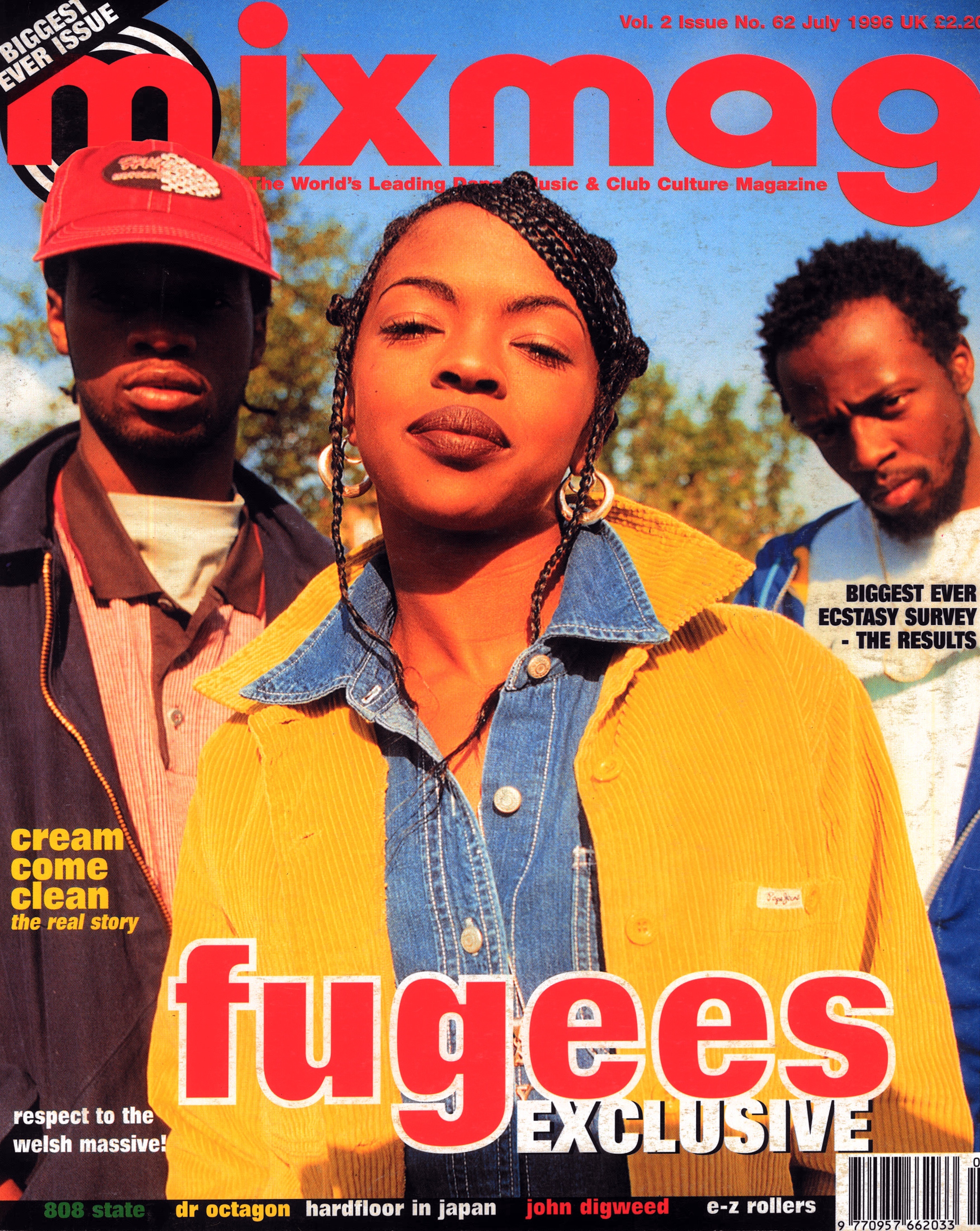
30 years ago, the Fugees starred on the cover of Mixmag. Published during the peak of gangsta rap’s dominant golden age, Lauryn Hill, Wyclef Jean and Pras Michel were intent on taking the music in a more conscious direction, aligned with its roots. They succeeded. 1996 belonged to the Fugees. Revisit our profile below
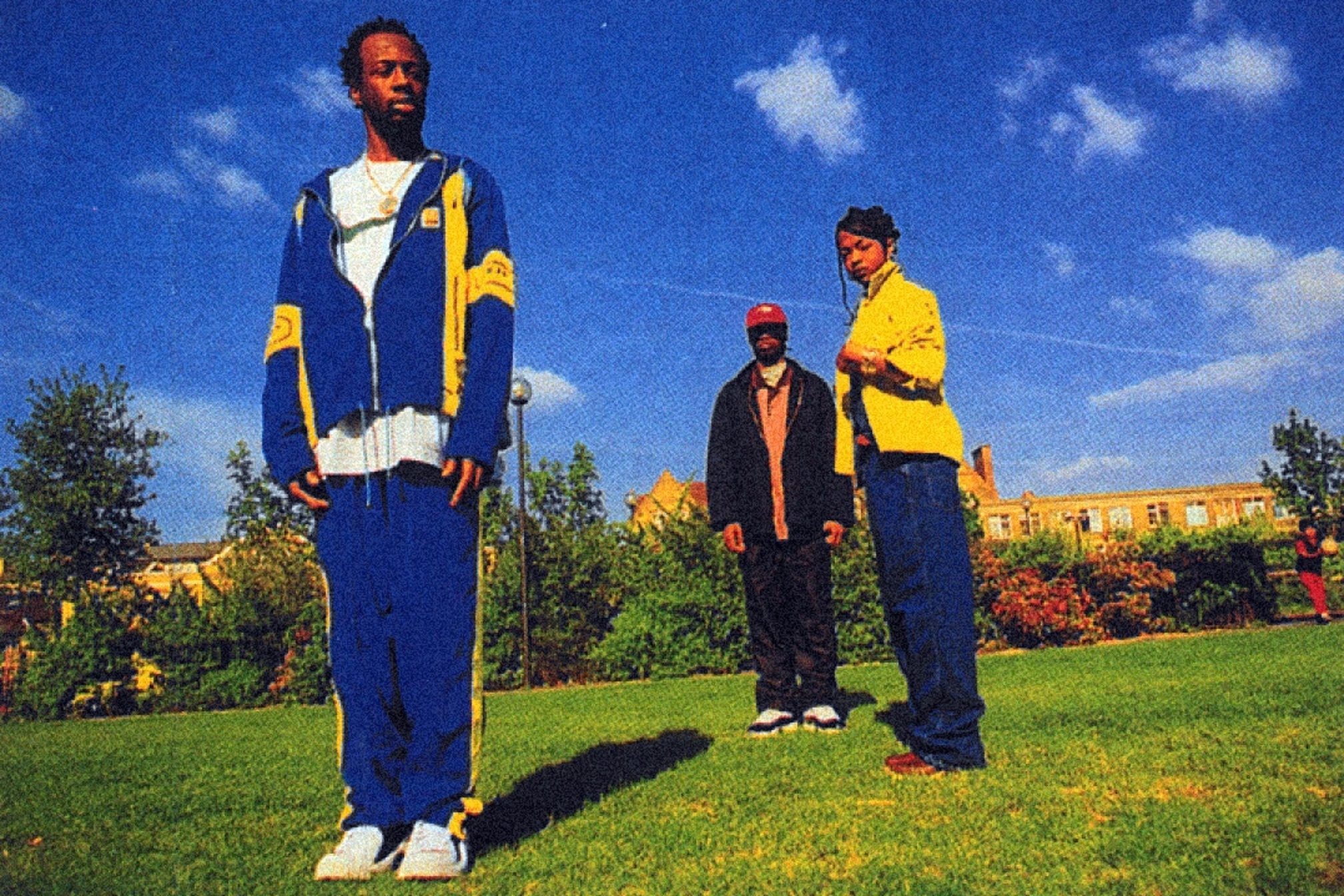
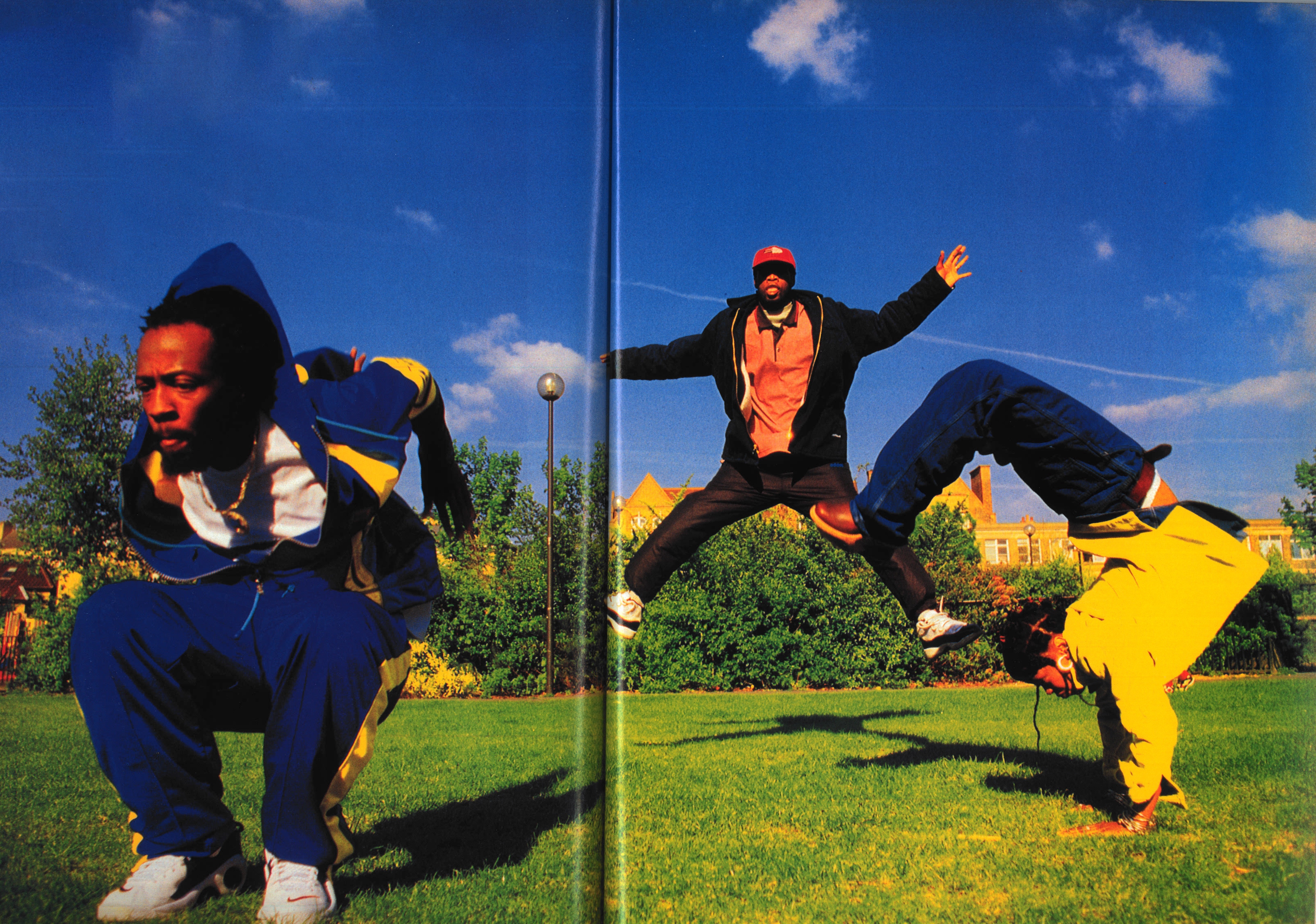
I've never seen a rapper keep a soccer ball up like it - foot, knee, chest; it doesn't go near the ground. There we are, wandering into a little park amongst the tower blocks in the East End and a gang of Asian kids are playing soccer. Quick as a flash, Wyclef is bounding over there and joining in, rapidly followed by Pras, and before you can shout "olé" the two are rather impressively dribbling all over the shop. The kids are attracted yet nervous of the photographer (and the assistant and the press officer and me and the general entourage that an act that's sold three million records has around it), but The Fugees don't give a fuck. The photos are out the window. We're gonna play football.
Then, after one youngster has snuck up behind the beaming Wyclef and blasted the ball into the small of his back, Fugees are throwing backwards somersaults. In unison. All three of them, Lauryn falling wrong and sauntering back to us grinning, groaning "Ooh, la la" to the tune of 'Fu-Gee-La'. Five minutes later they're all hanging on one swing, Lauryn shouting, “Somebody give us a push so we can go mad high!” Pras screaming, “I'm gonna show you what we used to do in Summer camp!” The sun shining, everybody smiling. Smiles? Football? Children? This is very wholesome, not what we expect from rappers. Who are The Fugees anyway and what are they doing on the cover of this magazine? Does the world, as one review put it, really need their hip hop cover of Roberta Flack's 'Killing Me Softly' that's been knocking at the top of the charts for weeks now? What’s all the fuss about?
One: The Fugees have produced 'The Score' an album that we'll be listening to for years; a soundsystem hip hop CD of devilishly clever wordplay and heavenly singing, meshed with acoustic guitars and little more than sample, bass and drum. Like an American Massive Attack and just as good. A record that since its release in March has crept into a lot of people's lives like Soul Il Soul and Massive Attack and Portishead before it, selling three million copies in America alone yet making just as much sense on a British summer's afternoon with a big spliff. Two: with humour and intelligence they have dealt a mortal blow to both the gangsta ‘n' violence obsessions of hip hop and the shopping and fucking obsessions of modern swing. Three: they have pulled this off without any weakening or whitening of their hardcore, urban, rap soundsystem. Four: they are the best live hip hop act ever.
That's who Fugees are.
Last time I saw The Fugees was in March, onstage at London's small Subterania club for a jam-packed one-off gig. Gilles Peterson, Stereo MCs frontman Rob, and Grant from Massive Attack were in the crowd. Everyone had heard 'The Score', knew what an inspiring soundsystem meltdown of acoustic guitar, raw ragga dub, bass, drum, rapping and soul-stirring singing it was. How much better, even, than their fine debut ‘Blunted On Reality' it was. But those who hadn't seen Fugees blast Das EFX off the same stage a couple of years ago were unprepared for just how good they were gonna be live. They kicked in with a DJ who cut up enough of a storm to have been crowned World Mixing Champ on the spot. They brought on a drummer and bass-player and started hyping the crowd. In between every magic original track - the plaintive melancholy of 'Fu-Gee-La', the skeleton rhythms of ‘How Many Mics’, raps riding the drum ‘n' bass like cream riding on a doughnut, Lauryn's voice slicing through like bright rays of sunshine - they'd flip into covering a rap classic for 30 seconds, paying their respects, building a hothouse atmosphere of happy smiles.
A freestyle on the same ‘Walk On The Wild Side’ break used on A Tribe Called Quest's 'Can I Kick It?' had the crowd craning for every word as Lauryn, Pras and Wyclef battled words like sword-fencers while the bass rolled home. They brought on a ragga DJ and then did a hilarious, bizarre set-piece with a huge guy dressed like a mafia don. And afterwards, as good vibes wrapped the crowd like good smoke, they hung out and mingle with their audience.
Rap crowds are used to Warren G giving up a halfhearted 20 minutes, Wu-Tang Clan not even turning up. Faced with an all-playing, all-singing, all-rapping live group that paid enough dues to the past and still blew their way clear into the future, this lot threw up their hands and danced. The Fugees had conquered, not with a gun nor a sneer, but with a spliff and a smile.
It’s before the football. It's get-ready-for-the-photos and interview the band time. Two of The Fugees - Wyclef and Pras; Lauryn is having her make-up done - are giving me attitude. Serious attitude. They're Black, I'm white. They're American, I'm British. They're an hour-and-a-half late. They've slept, like, one hour and are rushing off afterwards to do a showcase for an audience of distributors, retailers, selected mainstream media and assorted Sony Records bigwigs - what they call branch meetings in America, not quite the downbeat Brooklyn soundsystem jams they still love to play.
“We hate branch meetings,” says Wyclef Clef Jean, green and gold tracksuit, baby dreads, 26. “I do it because I have no choice. It's part of the job. Like you work at Burger King, late at night, even if you don't want to, you gotta clean the store.”
Ever worked at Burger King? Wyclef did, and he hated cleaning the store. He grew up in Haiti “where it was real poor”. He was just eight when his family left Haiti for a “mob central” part of Brooklyn. There wasn't a lot of money around. “Me, my brother, my sister slept on one bed, and your parents have a bed,” he says. “I basically grew up knowing what it was like to have one uniform for Catholic school. Two shirts and one pants, you know the shirts get dirty quick, not the pants.” But this is not a man with a chip on his shoulder, not a man consumed by bitterness.
“It's funny because God chooses destinies for everyone, who'd have thought I'd have been in freakin' England, I could have been dead somewhere, shot up. God is good, man.” Some ghetto children grow up surrounded by the gangsta lifestyle and become it, like Ice-T, for instance. Or hustle for a while, then get out and move far, far way, like swing producer and Blackstreet member Teddy Riley. Or make a huge career rapping about shooting and killing and slapping your bitch around then end up in the shit, like Snoop Doggy Dogg and Tupac Shakur. Not Wyclef. The son of a preacher, Wyclef wants to change the world. Or if not the whole world, his world. Because he isn’t leaving. “You’ll still catch me on the same street corner,” he says, “doing the same thing that I do.”
And he's loosening up, mainly because on this balmy day in a photo studio in the East End of London, of all places, Wyclef has found a guitar, a beautiful guitar belonging to the photographer, and he spends the interview strumming, picking, playing, making that guitar sing.
When someone mentions Bob Marley, he softly plucks a few notes of ‘No Woman No Cry’. He even tries to buy it.
It is he who produced, along with Lauryn, this stunning second album at their basement studio in New Jersey. (The first was put together by production company LeJam and did not, Fugees say, really represent them, despite the wondrous acoustic rap of ‘Vocab’ and the huge success of rolling single ‘Nappy Heads’.) It is he who plays guitar, fingers magicking the backing for their ‘No Woman No Cry’ cover and the bittersweet Spanish guitar for ‘Family Business’. It was Wyclef who, walking on stage at Subterania, announced, “I'm gonna play the Black motherfucking national anthem,” proceeding to echo Jimi Hendrix, twanging American national anthem ‘The Star-Spangled Banner’ onstage at Woodstock, with his teeth. He was the one who made those kids playing footy smile.
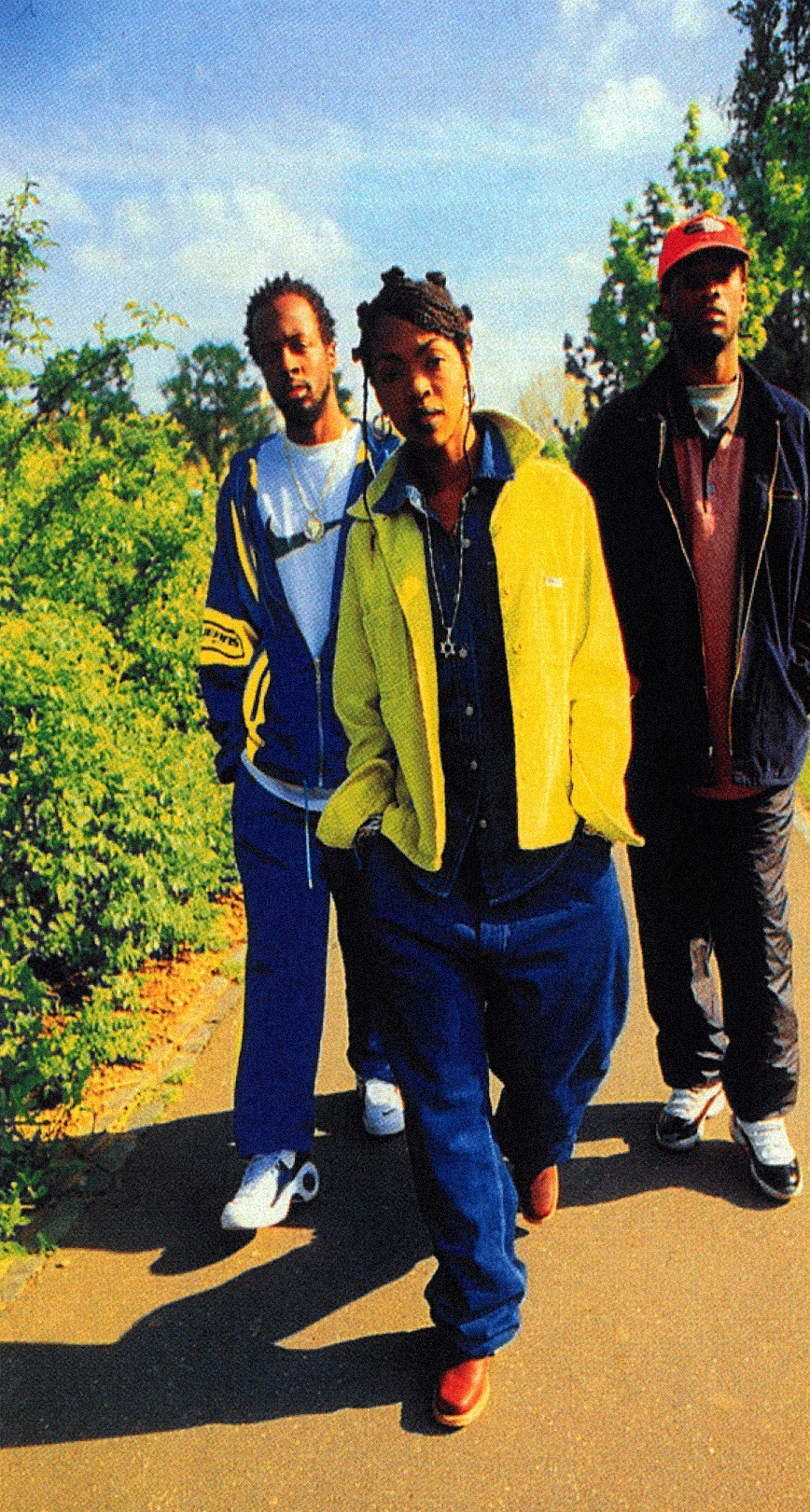
Prakazrel 'Pras' Michel, surly, 23, unwilling to come out from under his baseball cap, is the reason the band came together in the first place. He and Lauryn went to High School together, started rapping, then recruited Wyclef, who is Pras's cousin and began battling other crews for New Jersey bragging rights. Pras and Clef are both Haitian - hence the name Fugees: short for refugees, a dismissive term used for Haitians in the States. Leaving the photo studio, in between reminiscing about Howard Jones and singing Men At Work's ‘Down Under’ hit, both chat in low voices in French.
Pras says he had something of an easier upbringing despite very strict parents. “I grew up in the urban setting but it wasn't like hardcore ghetto,” he recalls. “Where I grew up you got the streets, you got music, you got the church.” He may rap less than the others and handle a lot of the business side. But Pras is a Fugee, and he got plenty to say.
The Fugees are known for their stance on gangsta rap. They think it's unnecessary and self-destructive and ‘The Score’ is littered with witty attacks on the misogyny and violence of the form. At Subterania, freestyling along to ‘Walk On The Wild Side', Lauryn drew huge cheers with the line, “Calling women bitches when their mothers raised 'em solo.” Pras runs with the theme.
“Gangsterism or whatever will always be in our lives but it's not what hip hop is all about. A lot of people don't know the history of hip hop, they probably think that's all that Black people do, carry guns, but that's not what we all be doing.” He adds, “The gangsterism you hear in the music, where I'm from, the percentage is like one per cent.”
Why is the violence of gangsta rap so popular, Pras? “America's a violent country, a lot of people love violence. That's why Arnold Schwarzenegger, Sylvester Stallone always make money. America was built on violence,” he argues. “They love violence. When they see these kids coming out, having balls, pulling out guns, shooting everybody, it's like a movie to them. But the only thing is, it's live.” Gangsta rap also makes money of course. People buy it, which is why Snoop and Dre have sold so many albums.
When Lauryn, photos and football finished, sits down, it's time to talk about sex. That's because for big-time, big-bucks swingbeat and R&B it's sex that dominates. So SWV sang with humour about oral sex on ‘Downtown’, and soul has always been about a lot of shagging, but these days it's overboard. R. Kelly can't seem to open his mouth without informing some lucky female how much he's going to shag her or go on stage without dropping his trousers. If you're gonna sing the new jack swing, it seems, shopping and fucking are your allotted subjects. They're all at it.
Even poor teenage Aaliyah has to nervously bump n' grind when she takes the stage. What does Lauryn say? “Honestly, I think it's wack,” Lauryn says pointedly. “Are we gonna have sex and that's it? There's young people dying every day, people who are poor and they don't have shit, and there's a reason why they don't - but we're not going to address that? We're gonna just keep having sex?” This lady is not afraid to stick her neck out, to the gleeful adoration she got from every woman in the Subterania audience (she even chucked a cheeky dis to R. Kelly, to cheers, along the way). “A lot of people feel about the way things are going, but a lot of them may not have the courage to speak out about them,” she says. “I really don't give a fuck, I wanna stand up for what I believe in.”
Lauryn is an idealistic woman, flipping from oversexed singers to materialism running riot over the world. Especially the R&B world. “Everything is basically, if your booty is big and the money's good and the car is fly, those are the things that you should represent,” she says. “I don't agree with that.”
Lauryn, 21, was just eight when she met Pras in High School. Onstage, red puffa jacket hanging off a black polo, she effortlessly achieved the rapt attention of every female and male in the place. That Lauryn 'L-Boogie' Hill is uncommonly beautiful, acted as a teenager in TV soaps and opposite Whoopi Goldberg in Sister Act II, and is halfway through a degree at New York's prestigious Columbia University doesn't hurt either: this woman is ridiculously talented, and it's already been suggested she go solo. She won't. Money ain't gonna change her mind, either.
“My mother always told me I didn't understand the value of a dollar,” she smiles. “I'm used to comfortable living, so I'm not desperate to get Mercedes-Benzs. I think a lot of my peers in rap grow up impoverished,” she adds, “so when they do get on, it's money and cars and women, they jump at it, it's like throwing a piece of bread to a hostage, somebody who's been living without food or water.”
Growing up in a “loving” and very musical family environment (dad singing, mum on piano, uncle travelling with jazz greats), Lauryn discovered a huge collection of old soul and doo-wop 45s her folks had hidden in the basement when she was eight. She thinks the first one she found was Shep & The Limelites' ‘If I Should Lose You’. She's been singing since before she can remember, started rapping after meeting Pras, and flits from one form to the other like Pras and Clef flip from English to French.
“When I rap, I contribute everything from my soul, I really feel what I say. But singing was my first love. It's something that has nothing to do with me at all. I don't really manipulate my voice, I just open my mouth and that's what comes out and it's been like that since I was three years old,” she offers.
Then she tells me about the Refugee Summer Camp for underprivileged kids Fugees have put together, not to mention a free, music biz free, summer festival they're planning for all the crews called Hoodstock. Because staying local is what counts for The Fugees, which is why they run with Brooklyn soundsystems and cut a dubplate of 'Fu-Gee La' for the leading Addis Sound. Just like leading Jamaican ragga deejays like Bounty Killer will cut special dubplates bigging up a certain soundsystem, so that when a soundclash - when two soundsystems face off across a hall - reaches the fever pitch 'dub for dub' final stages of the contest, they can bring out their own customised records from the stars of the scene and slaughter the opposition. “That's what we do with hip hop,” says Wyclef.
This street level, soundsystem culture is the crux of The Fugees. Motivated as they are by a desire to enlighten attitudes in America's desolate inner city ghettos, dominated by crack cocaine and the associated violence and gangsterism that brings. To offer something more than the nihilism of gangsta. Because what else is there? “I wanna do something deeper that would have more of a lasting value when it comes to community and family and just Black people as a whole,” states Lauryn.
Yet Fugees are determined to remain resolutely hip hop. Just don't call us 'alternative', Wyclef says, despite the singing and guitars. “The kids on the street that carry the guns or that sell the drugs, the real hardcore kids, they wouldn't really listen. If you're a musician, they don't consider you a rapper. The press would put 'alternative’, that's like 'slash' in hip hop, that means 'handicapped’,” clarifies Wyclef. “We said, we're gonna make them kids that's in the street that don't listen to anything [but hardcore rap] listen to The Fugees. We're gonna make them wanna listen to a song and think, ‘Wow, they can rap, they can sing, this is still hip hop.’ And that's basically what we've accomplished.” The soundsystem is also how they've solved the live dilemma. Given that, outside of its home turf, the basic hip hop format of rapper and DJ doesn't make for a great show. The Fugees have mixed up the DJ side with the live bass, drum and guitar side, yet done it as a soundsystem so it is the DJ, not the drummer, not the singer, who frames the show. Just like any ragga soundsystem.
And it's a friendly show: no hardman strut on stage, just a happy crowd hype. This, they say, is old skool hip hop come back to roost. “Back in the day,” Wyclef argues, “it was like that.”
The soundsystem is also how they've created a new musical blueprint for hip hop. Because it's raw, and despite the singing and the guitars, still a minimal hip hop sound, bass and drum taken for a stroll round the smokey soundsystems of Jamaica, given a slab of Bob Marley and maybe even a touch of Jimi Hendrix. Helped with a dash of fun and funk yet imbued with a melancholic, melodic feel. Taken to its logical conclusion with the stunning Sly & Robbie ragga mixes of ‘Fu-Gee-La’.
But we're not just talking modern soundsystem ragga here, we're talking reggae: Bob Marley and their effortless and excellent cover of Bob Marley's ‘No Woman No Cry’. Their Booga Basement studio, modelled on Marley's Tuff Gong set up. Being Haitian and therefore Caribbean, of course, reggae has always been a big deal. “The reggae is natural for us,” says Pras. “It's not like we tried to do it, it just came through.” Wyclef expands: “This is a rebel music manifesto, like when the systems used to come with Peter Tosh, Marley. Fugees is the new generation.”
And hence the religious theme of so much of the album. “You listen to a lot of reggae so you know reggae is real religious,” Wyclef says to me, in that clever way he has of integrating you into the talk, so that it's more conversation, less interview. “They talk about God but they don't commercialise it... We could talk about God, talk about the devil, talk about good, talk about bad, but it could still sound like we're not going to church…”
So I ask him what he thinks of Buju Banton's post-Rastafarian conversion album ‘Til Shiloh’. “It's one of my favourite albums, I definitely feel there's a new vibe,” he confirms. “He just changed it for everybody.”
Perhaps it's here that we need to look for Fugees’ inspiration, not at 'alternative' hip hop acts like Arrested Development and P.M. Dawn, killed in their own hip hop community for just that tag, but to the international power of reggae. Bob Marley, now Buju, now Fugees, following in the same conscious direction, but hanging easily onto an iron-clad street credibility. Success with an international appeal came to Marley too, and he never had to compromise his music or his lyrics or his accents or even his prodigious consumption of weed for a white audience. The way Fugees have taken off, they won't have to either.
The Fugees will say they're making music for an American Black audience that needs it - and anyone else is welcome along. But ideals aside, they've still produced an album that makes as much sense in British lives. Purely on musical terms: as a recreation of a host of different influences - reggae, soul, flamenco, the Bible, the street, whatever - into a new rebel music that while it swings with hip hop reaches far, far beyond. That is just as much who Fugees are.
“There's probably two to three hundred more Fugees out there but the world will never know, they're probably dead somewhere. So all I can do is make the best thing out of this and try to help mankind,” says Wyclef. Big words, huge ambitions, new agendas for the ghetto. Still, I'm thinking about how those kids reacted to Wyclef, how he steamed in and won over those East Enders with a backflip and a grin. If there are all those other unsung Fugees out there, how come you guys got a chance? Wyclef doesn't miss a beat. “God is good, man, God is good and then, we bust our ass for like eight years,” he smiles. “It's not like one day we turned on our TV and said, ‘Wow, we wanna be rappers.' This is beyond rapping.”
The Heavy Stuff:
Does the attention put on your looks piss you off?
Lauryn Hill: “Yeah, because people are only looking at the surface. Some people think I’m attractive and I hold equal status with two cool guys - but I’d like to be appreciated for what I’m saying, for how I’m saying it, for the confidence with which I say it and for the musicality of our music.”
What’s the biggest regret of your life?
Lauryn Hill: “I think that’s personal, but I do have one.”
And your greatest achievement?
Lauryn Hill: “I think my greatest achievement would be to have children.”
Do you get recognised?
“There’s something about my features that make people able to identify me all the time, but I think it’s fly to be able to have all the attention, to have a generation’s attention. I just hope that I’ll always have something to say.”
What would you be doing if you weren’t doing this?
Wyclef: “I’d be a preacher - and a damn good one!”
Pras: “I’d probably be in school [college].”
